


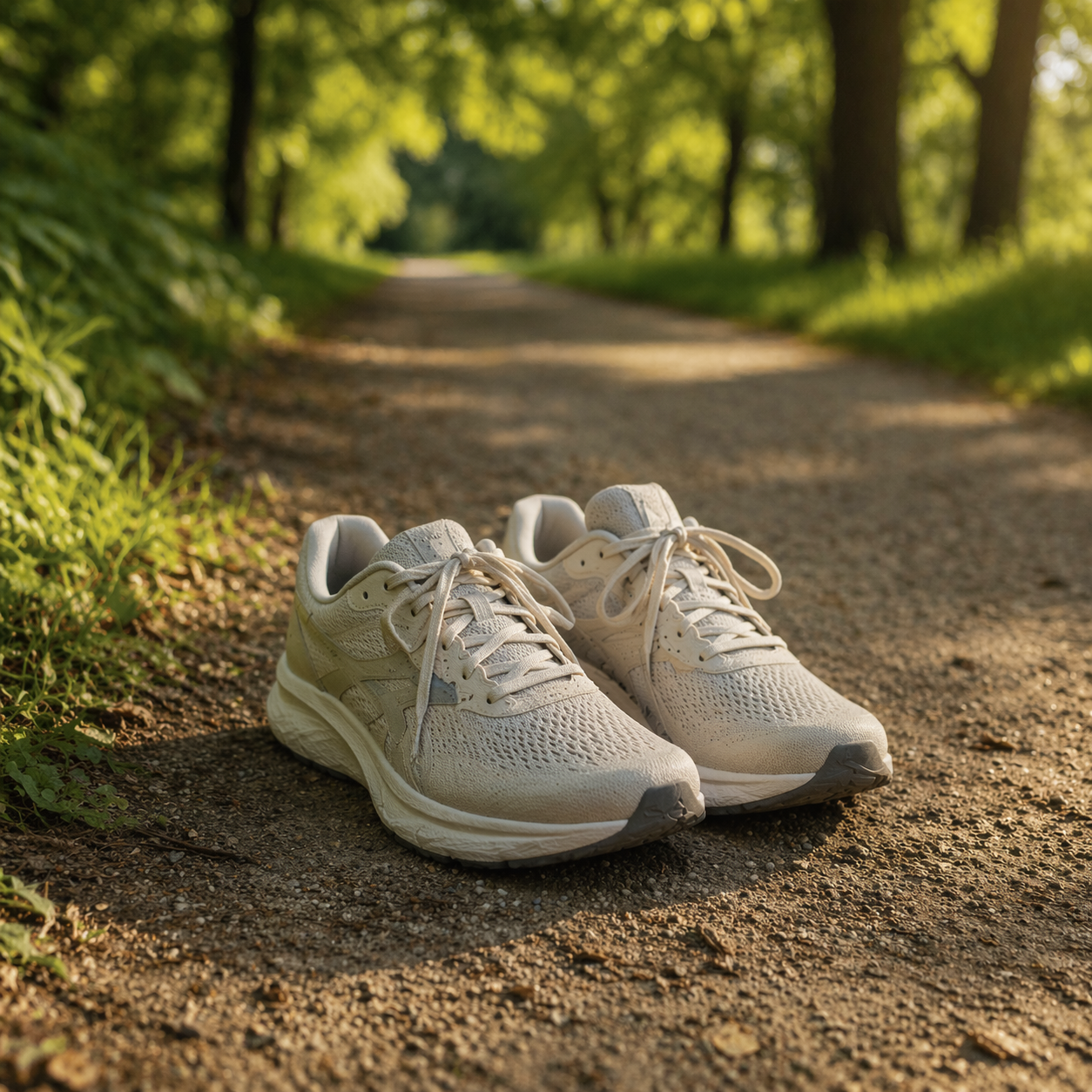


When you step outside and start walking, a lot is quietly going on. Your cortisol levels drop. Your heart rate and blood pressure start to come down. Your airways open up. Your body shifts into what researchers call the parasympathetic state - basically, the opposite of fight-or-flight. You start to relax, even if you didn't realize how tense you were.
A 30-minute walk in a park has been shown to improve heart health, lower blood glucose, and reduce blood pressure. And the kicker? Studies consistently find that doing the same exercise outside produces greater benefits than doing it indoors. So your living room yoga has its place, but it's not quite the same thing.
Spending time outside also naturally boosts your Vitamin D — something a lot of us are quietly deficient in without realizing. This time of year, even 10–15 minutes of sun a few times a week can make a real difference for your energy, mood, and immune system.
This is where it gets really interesting. Walking outside, especially somewhere green, has been shown to reduce rumination, which is that lovely habit our brains have of chewing on the same stressful thought over and over. Researchers scanned people's brains before and after a walk in nature and found decreased activity in the area associated with depression.
It also helps with focus and creativity. If you've ever had a mental block and suddenly solved it while doing something completely unrelated, that's not a coincidence. Changing your environment, especially to somewhere with natural scenery, gives your brain the break it needs to actually think clearly again.
And sleep. Getting outside during the day, especially in the morning, helps regulate your body's internal clock. If you're someone who lies awake at night or wakes up groggy, a daily walk might help more than you'd expect.
The hardest part isn't the walk. It's the five minutes before the walk, when you're still on the couch and it just feels easier to stay there. A few things that can help:
Twenty minutes. That's all. The dishes will still be there when you get back.



.svg)